







Search Results for: water temperature comparison
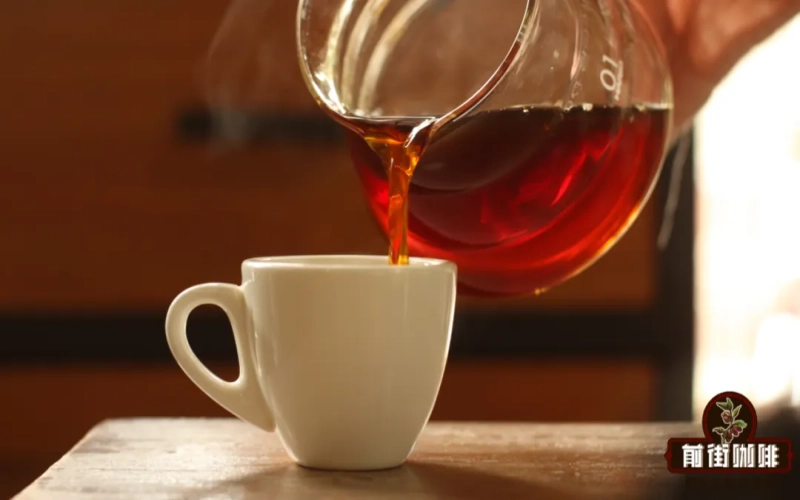
What's the difference between hot pour-over and iced pour-over? A detailed comparison from parameters and extraction yield to flavor performance.
Should pour-over coffee be enjoyed hot or iced? Many people hesitate when ordering. Front Street uses a set of side-by-side comparison experiments, from brewing parameters, coffee-to-water ratio, and grind size adjustments to the final extraction yield and flavor performance, to visually demonstrate the core differences between hot pour-over and iced pour-over. The article also explains why iced pour-over requires less water and a finer grind, as well as the logic behind coffee shops charging extra for iced pour-over. If you also want to understand the relationship between flavor completeness and temperature, this comparison will give you a clear answer. [more…]
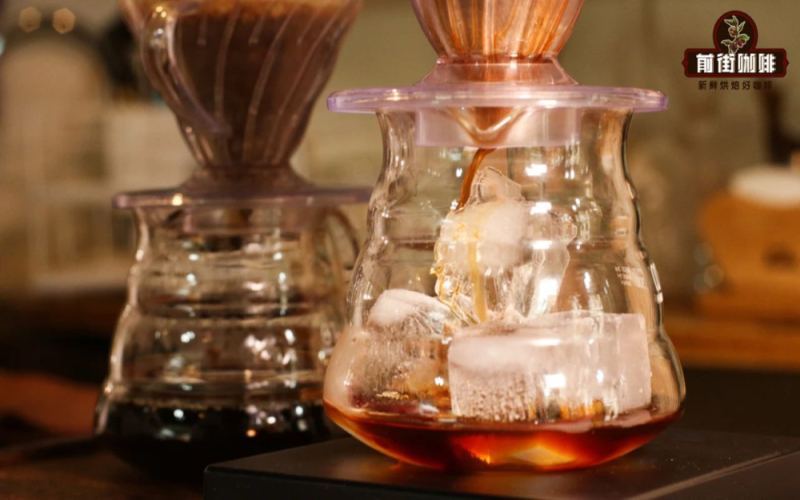
Comparison of Ice Addition Timing for Iced Hand-Brewed Coffee: An Analysis of Front Street's Japanese-Style Iced Hand-Brew Parameters and Sensory Differences
Should ice be added before or after brewing when making iced pour-over coffee? This question puzzles many coffee lovers. Front Street Coffee conducted a controlled experiment using 15 grams of Kaffa Forest coffee beans, a 1:10 coffee-to-water ratio, a water temperature of 90-91°C, and a grind setting of 9 on an EK43s grinder, testing two brewing sequences: ice added first and ice added last. The experiment found that after thorough shaking, the two methods performed quite similarly overall, but the coffee with ice added first tasted cleaner and more refreshing, while the one with ice added last had a more concentrated and intense aroma. The root of the difference lies in how much ice melts. This article will present the complete experimental parameters, step-by-step procedure, and sensory comparison results to help readers understand how the timing of ice addition affects the flavor of iced pour-over coffee. [more…]

Can You Make Cold Brew with Hot or Warm Water? Flavor Comparison Experiment of Quick-Extracted Cold Brew Coffee at Different Water Temperatures
Cold brew coffee usually requires 8 to 12 hours of low-temperature slow extraction, but what if you want to drink it the same day? Raising the water temperature can speed up extraction, but if you use hot water directly, it becomes hot brew, and the floral and fruity aromas and low bitterness unique to cold brew will also disappear. Front Street compared three methods through experiments: conventional 23°C cold water extraction for 10 hours, 40°C warm water extraction for 4 hours, and 92°C hot water blooming followed by room-temperature water extraction for 4 hours. The beans used were Colombia · Hanami, with full berry acidity, floral notes, and pink pepper flavors. The results showed that the 40°C warm water rapid cold brew was closest to the performance of conventional cold brew, with both a fermented feel and clearly presented flavors, making it suitable for friends who want to drink cold brew quickly. [more…]
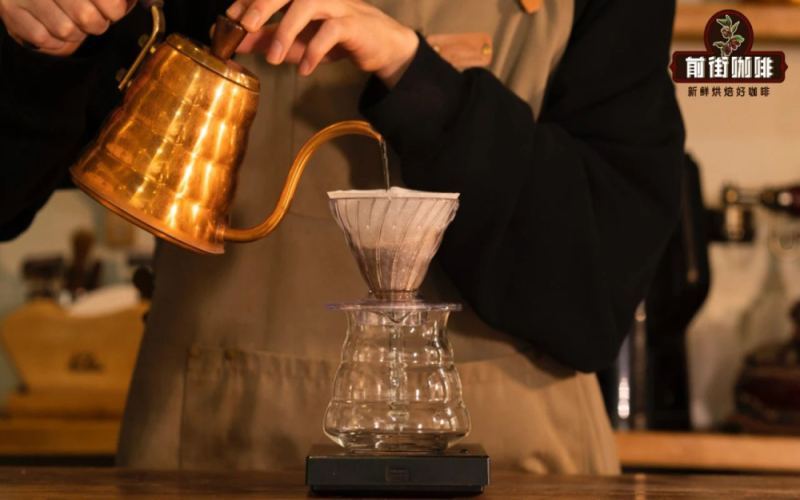
Ice Drip vs. Iced Pour-Over Coffee: A Flavor Comparison of Low-Temperature Slow Extraction and High-Temperature Fast Extraction
Ice drip coffee and iced pour-over coffee are often mentioned together, but the two differ significantly in extraction principles, flavor expression, and brewing process. Ice drip is a low-temperature slow extraction, while iced pour-over is a high-temperature fast extraction followed by cooling. Temperature greatly affects the breakdown rate of oils, acids, and sugars in coffee, thereby shaping distinctly different aromas, mouthfeels, and layers. From the perspective of Front Street Coffee, this article systematically sorts out the respective characteristics of high-temperature extraction and low-temperature extraction, and, using Honduras Sherry coffee beans as an example, records in detail the brewing parameters and flavor comparison of ice drip and iced pour-over, helping coffee enthusiasts more clearly understand the essential differences between the two kinds of iced coffee. [more…]
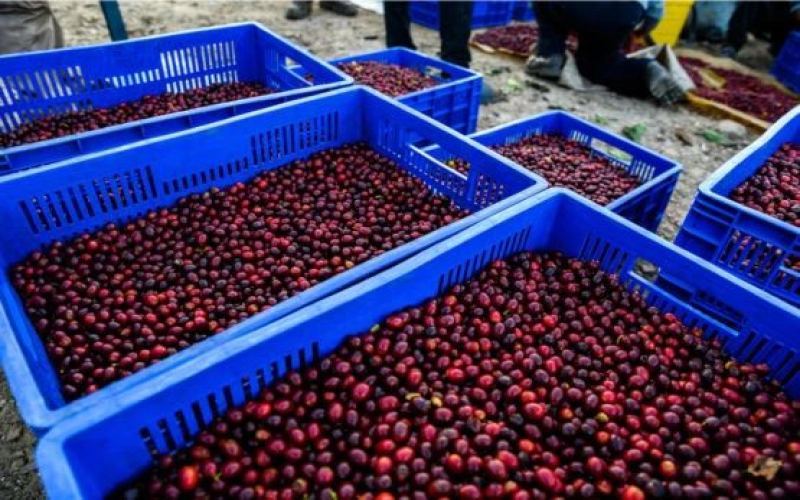
Bolivia Java vs. Panama Geisha Comparison: A Full Analysis of Bean Characteristics, Roast Profiles, and Flavor Differences
Geisha has become a star variety in the coffee world thanks to its unique floral and fruity aromas, while Bolivian Java has attracted much attention because of its "cousin" relationship with Geisha. Front Street Coffee (FrontStreet Coffee) takes Panama Janson Estate Geisha and Bolivian Java as its subjects and conducts a comprehensive comparison from variety origin, green bean appearance, roasting records, and cupping performance to brewing parameters. The article sorts out the specific differences between the two beans in sweetness, acidity, aftertaste, and complexity, and includes Front Street's roasting curves and brewing plans. Whether you want to learn about the legendary story of Geisha or are curious about the actual performance of the Java variety, this comparison can provide a clear reference. [more…]
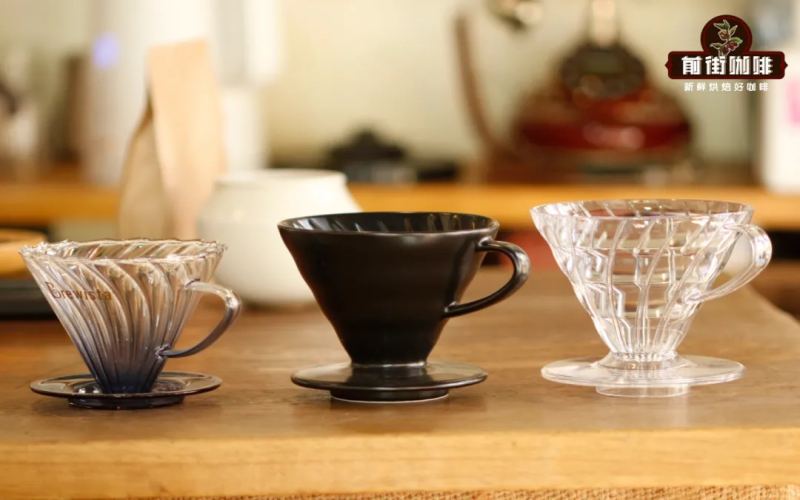
Pour Over Coffee Equipment Recommendations | What Coffee Gear Do Beginners Need to Start Pour Over? How to Choose a Home Brewing Coffee Dripper?
Recently, Front Street Coffee received a WeChat message: "I just want to simply buy a V60 dripper... Why are there so many materials?! And the prices vary so much—does the coffee brewed really taste different??" What are the differences between drippers made of different materials? The common V60 dripper materials on the market are divided into [more…]
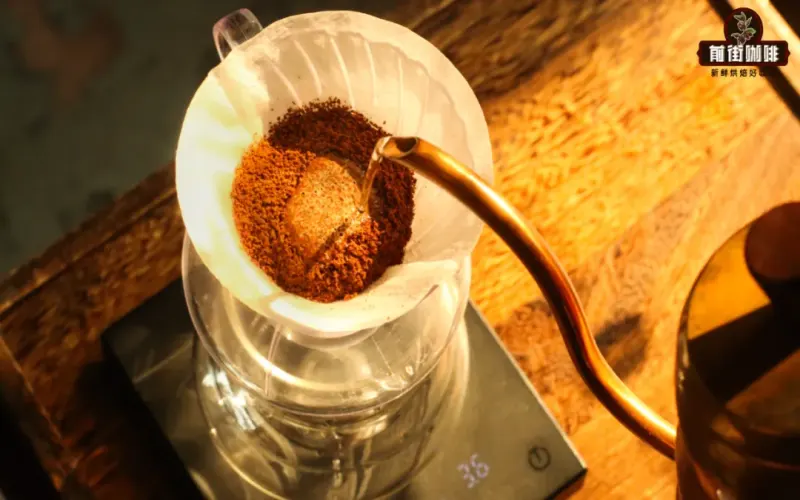
An Analysis of Flavor Differences Between Hot and Iced Pour-Over Coffee: A Professional Tasting Comparison from Temperature to Brewing Parameters
When buying coffee beans at a coffee shop or a Front Street location, many coffee enthusiasts ask the same question: for single-origin pour-over coffee, is it better hot or iced? Why is the flavor of hot pour-over coffee often more intense and prominent than iced pour-over? This article will start from the effects of coffee temperature on taste bud perception and aroma volatilization, deeply analyze why hot drinks make it easier to taste flavor, and at the same time explain the special adjustments in brewing parameters for iced pour-over—how operations such as reducing the amount of water, increasing the ratio of grounds to ice, and grinding finer affect the final flavor performance. The article also takes Front Street Ethiopia Huakui as an example, separately presenting a comparison of tasting results between hot brewing and iced brewing, to help readers fully understand the respective flavor characteristics and suitable scenarios of the two brewing methods. [more…]
Americano Water Temperature Comparison | What Are the Taste and Flavor Characteristics of Americanos at Different Temperatures? How to Make an Americano and How Much Iced Water to Add to Espresso
Whether Americano tastes better hot or iced is just like whether tofu pudding should be savory or sweet—it splits coffee lovers into two camps. At times like this, there are always onlookers who say: it's clearly just espresso mixed with water, so isn't iced and hot the same? Actually, it really isn't! What is Americano? Americano originated during World War II. [more…]
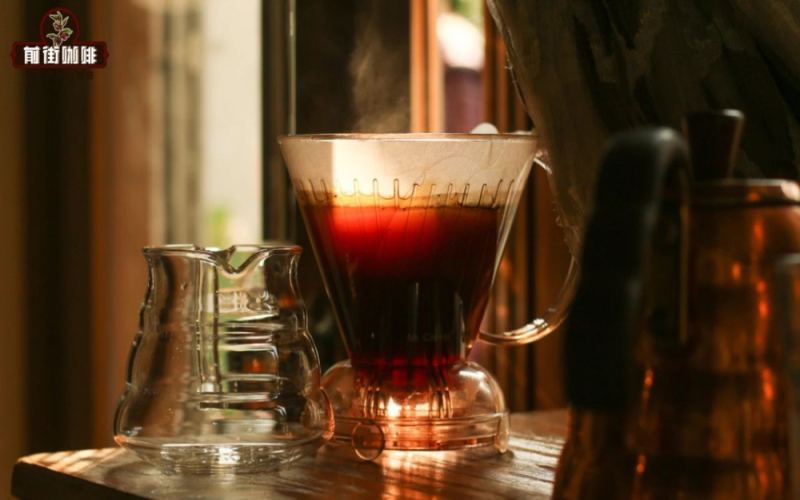
Comparison of Clever Dripper and French Press Brewing: Choosing Immersion-Style Coffee Gear and Analyzing Flavor Differences
Want to drink black coffee but don't want to fuss with a pile of pour-over gear? Immersion coffee brewers have therefore become the daily first choice for many enthusiasts, with the Clever Dripper and the French press being the most representative. Both complete extraction through immersion, with a low barrier to operation, yet the flavor direction in the final cup is vastly different. This article uses Front Street Kenya Asalia coffee beans as a sample and, under the premise that the dose, coffee-to-water ratio, grind size, water temperature, and immersion time are completely identical, conducts a brewing comparison between the Clever Dripper and the French press, breaking down one by one the device structure, operating process, and flavor presentation, and analyzing the extraction principles that cause the differences, finally giving purchasing and usage suggestions to help you make a suitable choice based on your preference for cleanliness and convenience. [more…]
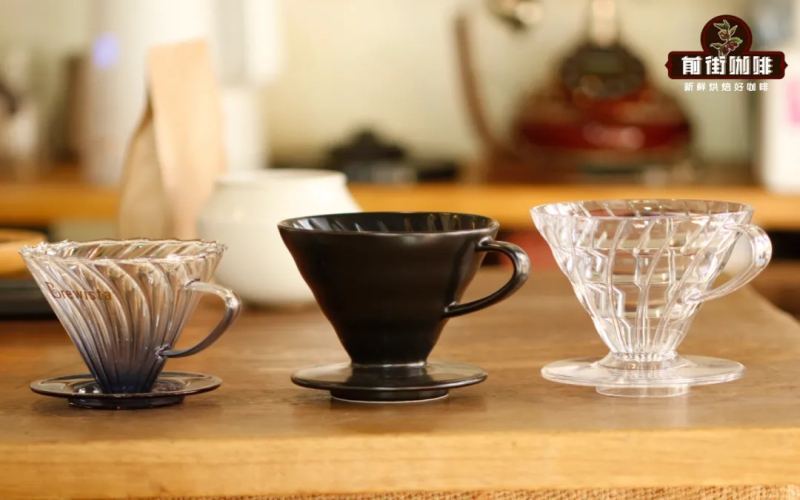
How to Choose the Material for a Home Coffee Dripper? A Hands-On Test of Resin, Glass, and Ceramic V60 on Heat Retention, Flow, and Flavor Differences
Faced with the dazzling array of V60 drippers on the market, many pour-over beginners are puzzled: they're all drippers, so why is there such a big price gap between resin, glass, and ceramic—does the coffee brewed really taste different? This time, Front Street Coffee specifically conducted a comparative test, using Ethiopian Yirgacheffe Gudingding washed beans, and under the same dose, water temperature, grind size, and coffee-to-water ratio, examined the heat retention performance, flow rate, and final flavor direction of three dripper materials. The article not only provides coffee bed temperature data without preheating and after thorough preheating, but also explains in detail how different materials affect the extraction rhythm, helping you choose the dripper that is truly suitable for home use based on the beans you usually drink and your budget. [more…]
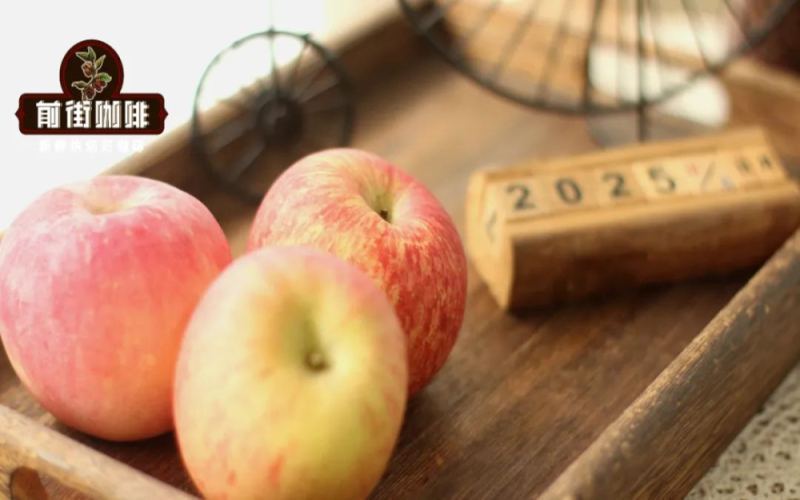
Apple Sailor Pour-Over Coffee Practical Guide: Complete Parameters and Flavor Comparison from Bean Selection to Four-Pour Technique
Using apple-infused water instead of regular drinking water to brew coffee has recently attracted considerable attention in the coffee community. Front Street Coffee conducted multiple rounds of hands-on testing on this, breaking down the feasibility and flavor performance of this approach step by step—from bean selection and apple water boiling time to pouring technique. This article provides a complete record of Front Street's brewing process and tasting results using three beans: Sidamo Santa Vini, washed Yirgacheffe, and Panama Geisha, along with a comparison against versions brewed with Nongfu Spring water, analyzing the effect of apple water's mild acidity on coffee flavor extraction, offering coffee enthusiasts a reproducible operational reference. [more…]
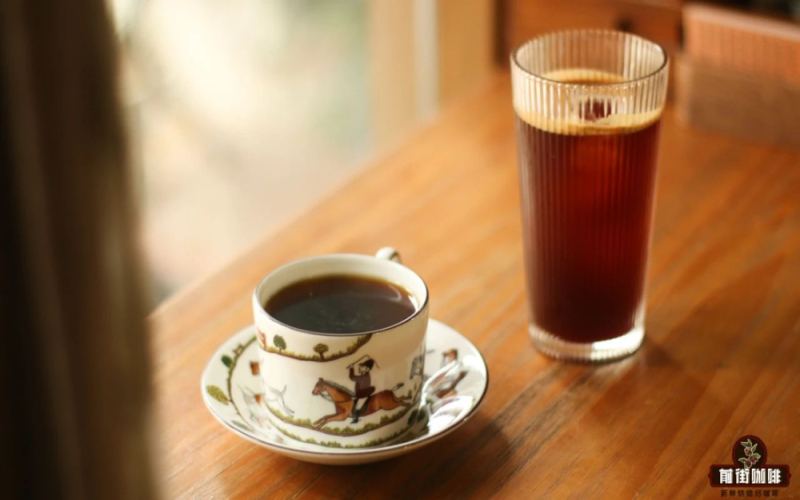
What Are the Differences Between Iced Americano and Hot Americano? An Analysis of Americano Brewing Methods and Flavor Comparison
Whether Americano should be drunk iced or hot has always been a hotly debated topic in coffee circles. Judging by market choices, iced Americano seems to have the upper hand, with noticeably more buyers than hot Americano. It's the same espresso with water added—why does merely a difference in water temperature make a cup of coffee present a completely different face? This article will use Front Street Coffee's actual comparative tests to analyze the specific differences between iced and hot Americano from the angles of brewing method, aroma expression, and mouthfeel layers, and explain how human senses perceive sourness, sweetness, and bitterness differently at various temperatures, helping you find the cup that better suits your taste. [more…]
Panama Elida ASD Anaerobic Low-Temperature Slow Natural Geisha: Four Pour-Over Brewer Methods and Flavor Comparison
Front Street recently acquired a Geisha coffee bean from Elida Estate in Panama, processed using the NATURAL-ASD anaerobic fermentation low-temperature slow sun-drying method—the same process used for this year's Panama BOP champion Geisha in the processing category. After the beans were properly rested, we tested brewing with a hollow filter cup, Ice Eye filter cup, cake filter cup, and diamond filter cup, standardizing the parameters to 15 grams of coffee, medium-fine grind, 90°C water temperature, and a 1:15 coffee-to-water ratio, recording the extraction time and flavor performance for each filter cup. Elida Estate is renowned for its sun-dried processing, and this ASD Geisha shines in fermentation aroma, juicy mouthfeel, and layered tea-like notes. Below, we share four specific brewing recipes and comparison results for coffee enthusiasts' reference. [more…]
Iced Pour-Over Coffee Recipe and Practical Comparison: How a 15g Dose Ratio and Ice Addition Order Affect Flavor
Iced pour-over coffee has gained popularity among many enthusiasts in recent years, but the details during brewing often determine the final flavor direction. Front Street Coffee uses 15 grams of coffee grounds and a 1:10 coffee-to-water ratio as the foundation, paired with 100 grams of ice for cooling and dilution, and conducts a side-by-side comparison experiment on the two methods of adding ice first versus adding ice later. This article fully presents the experimental parameters, brewing process, and sensory differences, while also sharing the flavor performance of the Kafa Forest Ethiopian washed bean, helping readers understand the specific effects of ice addition timing on coffee cleanliness, aroma intensity, and mouthfeel changes, providing reference adjustment ideas for daily brewing. [more…]
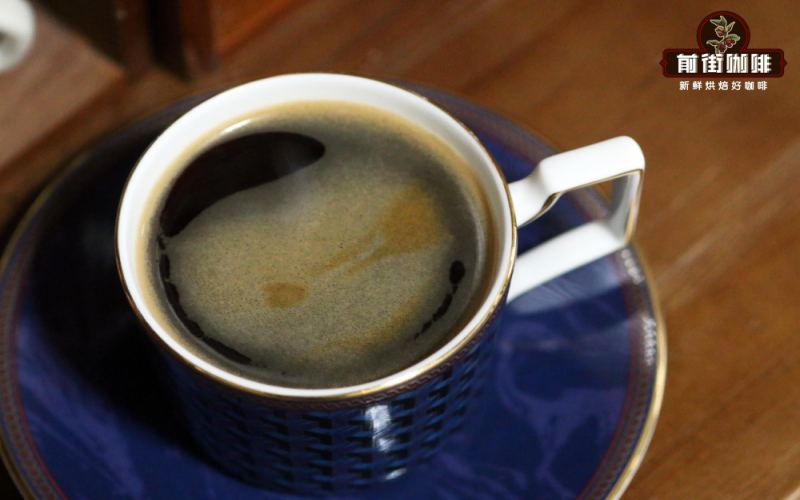
What Is Americano? A Full Analysis of Hot vs. Iced Taste Differences and Bitterness Comparison
Americano is made by diluting espresso with water. Although the method is simple, it is one of the most popular coffee categories in the world. Starting from the definition, this article compares the differences in aroma and mouthfeel among hot Americano, room-temperature Americano, and iced Americano, and explains how temperature affects taste perception, thereby changing the expression of bitterness and acidity. The article also combines Front Street Coffee's "Sunflower Warm Sun Blend" espresso beans to share bean resting suggestions and extraction experience, helping coffee lovers find an Americano style that suits them better. [more…]
Pour-Over Coffee Equipment Guide: V60 Dripper Design Principles, Material Comparison, and Detailed Explanation of One-Pour and Three-Stage Extraction Methods
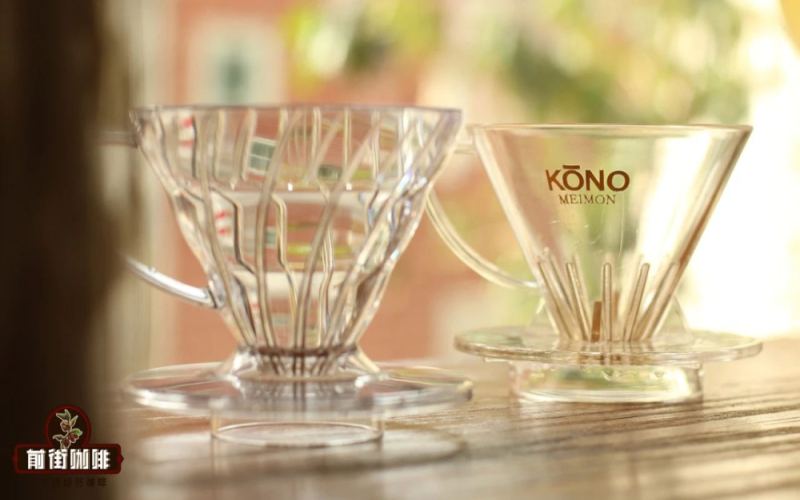
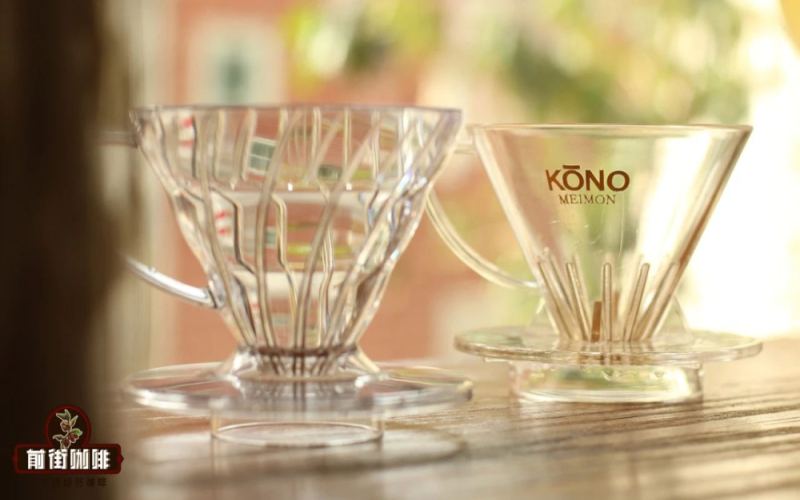
In the world of pour-over coffee, the V60 dripper is an almost unavoidable classic piece of equipment. With its conical structure, large aperture, and spiral rib design, it can accommodate a variety of roast levels and brewing techniques, making it the dripper choice unanimously recommended by Front Street Coffee baristas. This article will start from the three major design elements of the V60, analyze its extraction principles, compare the heat retention and price differences among resin, ceramic, and glass materials, and explain in detail key parameters such as grind size, water temperature, and coffee-to-water ratio. Finally, using Front Street Coffee Costa Rica Strawberry Candy coffee beans as an example, it will provide a hands-on comparison of the flavor presentation differences between the one-pour and three-stage brewing methods, helping coffee enthusiasts find a brewing method that suits them. [more…]
Analyzing the Timing of Pauses in Three-Pour Hand-Brewed Coffee: An Extraction Comparison Experiment Between Waiting for the Bed to Drain and Re-Pouring at the Halfway Point
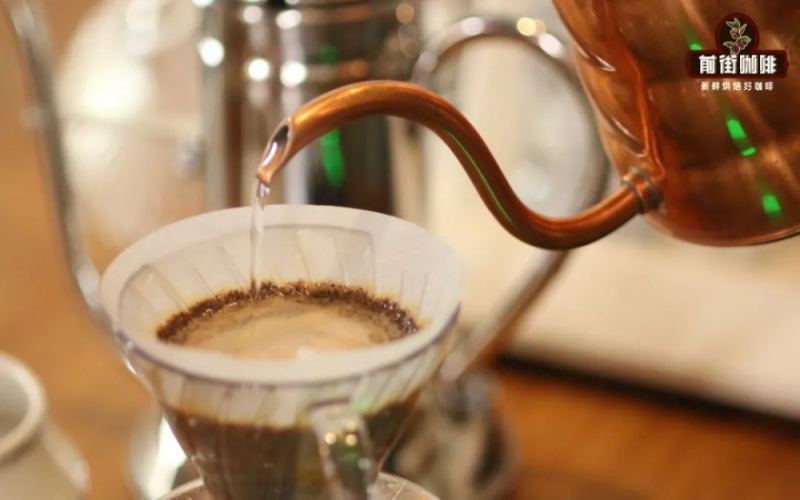
In the three-pour method for pour-over coffee, the timing of the third pour is often overlooked—should you wait for the coffee liquid to completely drain before pouring, or should you top up promptly once the water level drops by half? Front Street Coffee conducted two sets of comparative experiments, using Costa Rica Strawberry Candy and washed Yirgacheffe beans respectively, to analyze in depth the practical differences between the two pouring methods from the dimensions of aroma, flavor, extraction time, and coffee bed state. The experiments revealed how the timing of the pour affects the temperature of the coffee bed, fine migration, and the final flavor performance, while also explaining why beans of different hardness show completely different results when faced with waiting for the liquid to drain. This article will present the full experimental process and conclusions to help coffee enthusiasts understand the core logic of judging when to pour in the three-pour brewing method, and provide Front Street's practical recommendations. [more…]
Yirgacheffe Kochere G1 vs G2 Comparison: A Detailed Explanation of Green Bean Grading, Roasting Curves, and Cupping and Pour-Over Flavor Differences
The Yirgacheffe region of Ethiopia is famous for its unique flavors, and among them the high-altitude washed beans from Kochere are highly favored by coffee lovers. But what exactly is the difference between G1 and G2 grades from the same region? This article starts with two washed Yirgacheffe coffees from Front Street Coffee, and combines ECX grading standards, green bean appearance, roasting curves, cupping, and pour-over performance to compare in detail the differences between G1 and G2 in defect rate, bean uniformity, aroma layering, and cup cleanliness, helping readers understand the specific impact of grade classification on flavor, with complete brewing parameters and flavor descriptions included. [more…]
A Complete Analysis of Clever Dripper Coffee Brewing Parameters: Flavor Differences vs. Pour-Over and a Practical Comparison
Thanks to its unique piston valve design, the Clever Cup allows even coffee beginners to brew a stable, tasty cup with ease. This article breaks down the Clever Cup's brewing principles, steps, and parameters in detail, and compares it with pour-over coffee from equipment to technique. Using the Yirgacheffe Red Cherry as an example, Front Street Coffee intuitively presents the flavor differences brought by the two brewing methods, helping coffee lovers understand the choice between rich and full-bodied versus bright and clean. [more…]
The Complete Guide to Cold Extraction Coffee: Extraction Methods, Parameter Differences, and Flavor Comparison Between Ice Drip and Cold Brew
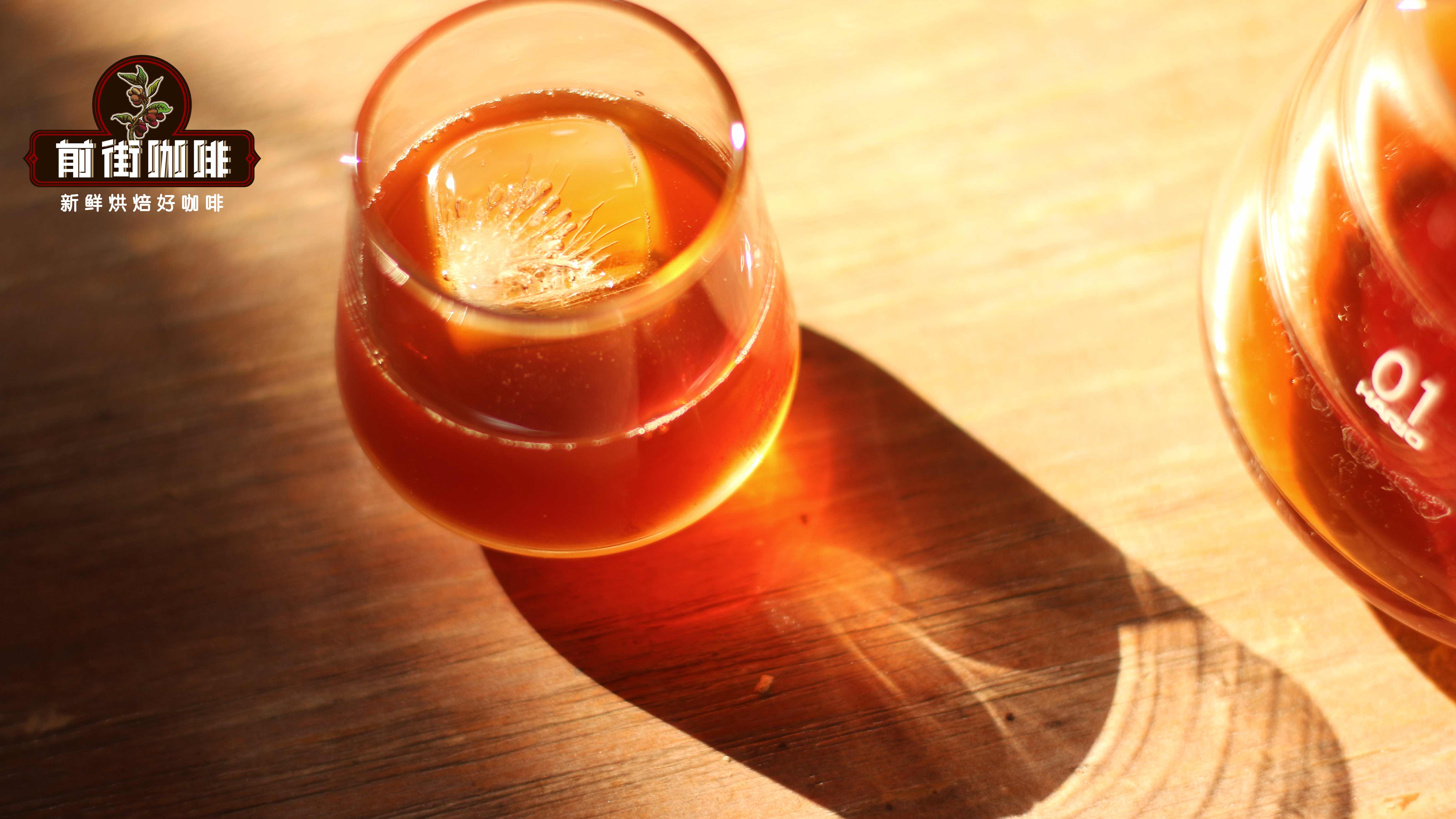
Neither ice drip coffee nor cold brew coffee relies on high-temperature hot water; instead, they complete extraction entirely with low-temperature water, and therefore take far longer than iced Americano or iced pour-over. Many coffee enthusiasts want to try making these two kinds of coffee at home, but without understanding their extraction principles and operational differences, it is difficult to produce the ideal flavor. Starting from Front Street Coffee's practice, this article first explains the basic principles of low-temperature extraction, then explains the suitable grind size, and next separately breaks down the specific parameters of time and coffee-to-water ratio for ice drip's drip-style extraction and cold brew's immersion-style extraction, and finally uses the same Front Street Ethiopia Yirgacheffe Natural Red Cherry coffee beans for comparison, presenting the differences in mouthfeel and flavor brought by the two methods, to help you find a brewing solution that suits you. [more…]